

What Causes Broken Capillaries on Face? Find Out Now

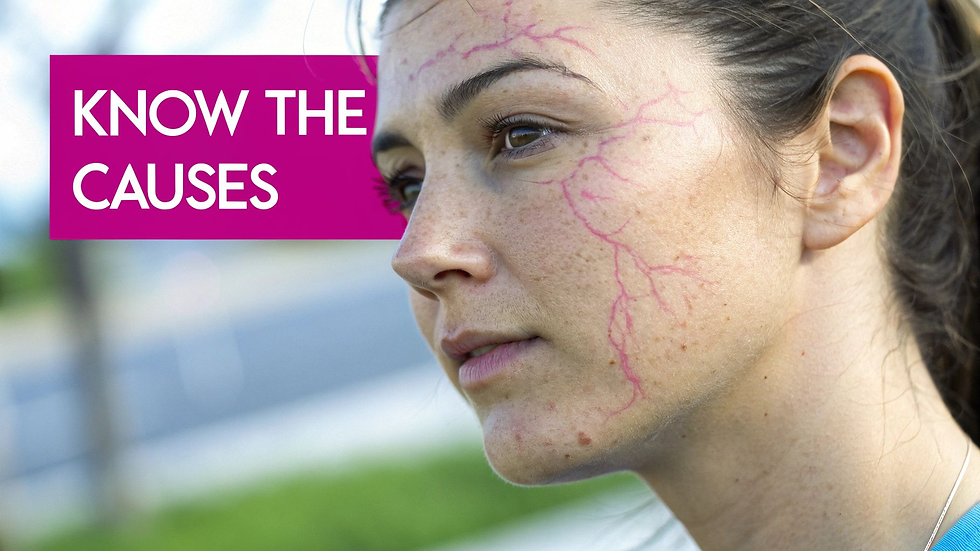
So, what are those tiny, web-like red lines that suddenly appear on your cheeks and nose? You've probably heard them called broken capillaries, but the name is a bit of a misnomer. These delicate blood vessels aren't actually "broken" at all.
Think of them as permanently stretched out. Normally, the tiny capillaries just beneath your skin's surface are elastic—they expand to let blood flow through and then snap back to their original size. But when their walls get damaged and lose that elasticity, they can’t shrink back down. They stay dilated, making them visible through your skin.
It’s this loss of elasticity that creates what dermatologists call telangiectasia, or what we more commonly call spider veins. And it’s a problem many of us face, especially here in Canada where our skin is constantly battling the elements. One minute you're in a warm, dry house; the next, you're out in the brisk London, Ontario air. That constant back-and-forth puts a massive strain on these fragile vessels.
The Most Common Culprits
Understanding what causes this damage is the first step toward getting your clear complexion back. Several factors are usually at play, and they often work together to weaken those capillary walls.
Sun Exposure: This is the big one. UV radiation is the number one enemy of healthy capillaries, breaking down the collagen and elastin that give them strength and support.
The Aging Process: As we get older, our skin gets thinner and the walls of our blood vessels naturally weaken, making them far more prone to stretching out and becoming visible.
Genetics: If your parents dealt with spider veins or conditions like rosacea, chances are you might too. Those of us with fair, delicate skin are especially susceptible.
Environmental Stressors: Think harsh winds, drastic temperature changes, or even scrubbing your face too aggressively. All of these can traumatize the skin and lead to permanent damage.
Of all these factors, cumulative sun damage is arguably the most significant, especially for those with the fair skin so common across Canada. Ultraviolet (UV) radiation is relentless, penetrating the skin and slowly destroying the supportive elastin fibres around your blood vessels. Over time, this damage causes the capillaries to dilate and stay that way, leaving behind those tell-tale red lines, particularly on the nose and cheeks where the sun hits most.
It’s no surprise that in populations with high sun exposure, photodamage is a primary cause. Some dermatological reports even show that a high percentage of patients can trace their visible capillaries back to a combination of sun damage and genetic predisposition. You can read more about the effects of photodamage on facial capillaries to get a deeper understanding of this crucial connection.
To make it easier to see how these factors connect, here’s a quick overview of what’s happening beneath the surface.
Key Causes of Facial Broken Capillaries at a Glance
Primary Cause | How It Damages Capillaries | Common Areas Affected |
|---|---|---|
Sun Damage (UV) | Weakens collagen and elastin, causing vessel walls to lose elasticity and permanently dilate. | Nose, cheeks, and chin. |
Genetics & Aging | Inherited predisposition and naturally thinning skin make capillaries more fragile and visible. | Cheeks and around the nose. |
Environmental Stress | Drastic temperature shifts and harsh winds force vessels to rapidly expand and contract, leading to wear and tear. | Cheeks and entire face. |
Physical Trauma | Aggressive scrubbing, popping pimples, or even sneezing can cause immediate rupture or dilation. | Area of impact (e.g., around nose or on cheeks). |
This table gives you a snapshot of the main triggers, but as you can see, it's often a combination of these things that leads to those visible red lines.
How Sun and Environment Weaken Your Skin
This screenshot from the Government of Canada shows the daily UV index, a tool that’s incredibly useful for understanding your sun risk. Paying attention to these ratings helps you protect your skin's delicate structures, especially those fragile capillaries.
When we talk about what causes broken capillaries, sun exposure isn't just a factor—it's the main culprit for most of us here in Canada. Think of ultraviolet (UV) radiation as a slow-motion wrecking ball for your skin's support system. It meticulously breaks down collagen and elastin, the two proteins that are absolutely essential for keeping your skin firm and bouncy.
Imagine the fine network of collagen and elastin holding your capillaries in place is like a delicate mesh net. With years of sun exposure, this net starts to fray and tear. Without that crucial support, the tiny vessel walls lose their structure, allowing them to stretch out, dilate, and become permanently visible.
The Impact of Cumulative Sun Damage
This isn't something that happens after one bad sunburn. It’s the result of cumulative damage that builds up over years of sunny summer days, light reflecting off the winter snow, and even those cloudy afternoons when UV rays still find their way through. For many Canadians, especially those with fairer skin, this damage can start showing up as early as their 30s.
It's no surprise that the most commonly affected areas are the ones that see the most sun:
The Nose: Its prominent position makes it a prime target.
The Cheeks: This broad surface area is constantly exposed.
The Chin: Another spot that often gets the brunt of sun exposure.
The link between UV radiation and weakened capillary walls is undeniable. Over time, photodamage is to blame for a huge majority of visible vascular issues, making diligent sun protection the single most important preventative step you can take.
Since the sun is public enemy number one, mastering your sun protection is non-negotiable. This means getting the details right, like the correct sunscreen application order, to ensure you're getting the best defence possible. For those already seeing the effects of past exposure, learning how to repair sun-damaged skin in Canada is a critical next step.
Canada's Unique Environmental Stressors
Beyond just the sun, our Canadian environment throws some unique challenges our way. Here in London, Ontario, we see dramatic temperature shifts that put immense strain on our facial capillaries.
Picture a typical winter day. You step out of your cozy, heated home into the biting, freezing air. This sudden drop in temperature forces the tiny blood vessels in your face to rapidly constrict to conserve heat. Then, you step back inside, and they’re forced to expand just as quickly.
This constant back-and-forth of rapid expansion and contraction is like an intense workout for your capillaries. Over time, the repetitive stress wears them out, causing them to lose their elasticity and remain permanently dilated. It's a key reason why so many people notice their facial redness and spider veins get worse during our harsh winter months.
It’s not just the cold, either. Harsh winter winds can cause windburn, which irritates the skin and further damages these fragile surface vessels. This combination of UV damage and environmental stress creates the perfect storm for developing broken capillaries on the face.
What's Happening Beneath the Surface? Aging, Genetics, and Lifestyle
While we often blame the sun or harsh winds for those little red lines, what’s going on inside our bodies is just as critical. Think of internal factors like aging, your genetic makeup, and daily habits as the foundation for your skin's health. If that foundation isn't solid, it's only a matter of time before cracks start to appear on the surface.
Aging is a big one. As the years go by, our skin's entire support system starts to wind down. The production of collagen and elastin—the proteins that keep skin firm and bouncy—slows to a crawl. This makes the skin thinner and far less resilient. Imagine your capillaries nestled in a plush, supportive cushion; as we age, that cushion deflates, leaving those fragile vessels more exposed and vulnerable to damage.
At the same time, the walls of the capillaries themselves lose their youthful elasticity. They become less able to snap back into shape after everyday stressors, like a sudden change in temperature or a spike in blood pressure, making them much more likely to stay permanently stretched out.
The Genetic Lottery and Your Skin
Genetics also deals a major hand in your skin's story. If you have fair skin, especially if your roots trace back to Celtic or Northern European heritage, you're naturally more susceptible. Your skin has less melanin, which is your body's built-in sunblock, and your blood vessels often sit closer to the surface, making any redness or dilation stand out.
You can think of it as a genetic lottery. If things like rosacea or a family history of spider veins are common in your family tree, you've probably inherited a predisposition. This doesn't mean you're doomed to have them, but it's a clear signal that you need to be extra diligent with your skincare and sun protection to keep those capillary walls strong.
Fair Skin: Less natural defence against UV rays means underlying vessels are more visible and vulnerable.
Family History: A genetic tendency for conditions like rosacea or fragile capillaries significantly bumps up your risk.
Sensitive Skin: If you've inherited sensitive skin, you're prone to frequent inflammation, which puts constant stress on vessel walls, weakening them over time.
Your genes basically set the stage for how your skin will react to everything life throws at it.
How Your Habits Can Tip the Scales
While you can't hit pause on aging or rewrite your DNA, your lifestyle choices are firmly within your control. The habits you build can either fortify your capillaries or push them right over the edge.
Alcohol is a very common trigger. When you have a drink, it causes your blood vessels to dilate, which is why many people get that flushed look. If this happens often, the constant expansion and contraction can tire out the capillary walls until they just give up, lose their ability to shrink back, and stay permanently enlarged.
A single night out might just cause temporary flushing, but a consistent pattern of drinking can lead to permanent redness and visible spider veins, especially around the nose and on the cheeks.
Of course, it's not just alcohol. Plenty of other daily habits can weaken those delicate vessels.
Spicy Foods & Hot Drinks: Anything that makes you flush can cause a rapid expansion of your capillaries.
Aggressive Skincare: Over-scrubbing or using harsh exfoliants can cause direct physical trauma to your skin and the vessels within.
High-Impact Exercise: Really intense workouts that dramatically raise your blood pressure can sometimes put too much strain on fragile capillaries.
Aging is an undeniable factor that makes our capillaries more fragile. As our Canadian population ages, age-related vascular changes are becoming an incredibly common concern. It's no surprise that the demand for treatments like lasers to address these visible vessels has skyrocketed, showing a clear link between aging skin and broken capillaries. You can find more details about how aging contributes to vascular fragility on WestsideAesthetics.com.
Ultimately, understanding which factors you can control and which ones you can't is the first step toward making smarter, more protective choices for your skin.
Practical Strategies to Prevent Broken Capillaries
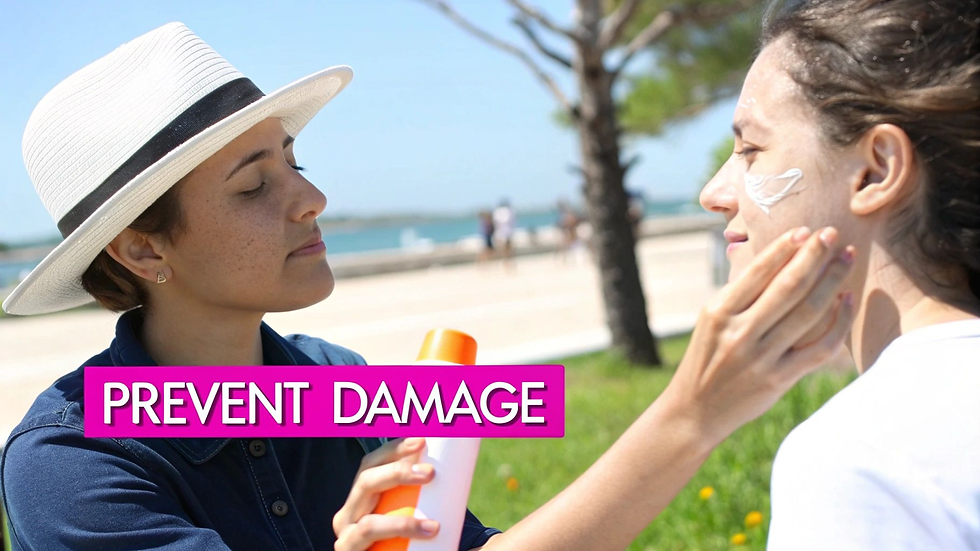
Knowing what causes those little red lines on your face is one thing, but actually putting that knowledge to work is how you'll protect your skin for the long haul. The good news is that prevention isn’t about some crazy, restrictive lifestyle. It’s about making smart, consistent choices that build up your skin’s defences.
For us Canadians, this starts with one absolute essential: sun protection. It is, without a doubt, the single most effective thing you can do.
Master Your Sun Protection
The sun’s UV rays are public enemy number one for your capillary walls. Defending your skin from this daily onslaught is completely non-negotiable, even on those cloudy Southern Ontario mornings when the sun feels like a distant memory.
Think of broad-spectrum sunscreen with an SPF of 30 or higher as a daily habit, just like brushing your teeth. It’s your shield against both UVA rays (the aging ones) and UVB rays (the burning ones), which both chip away at the collagen and elastin supporting those delicate capillaries.
Remember, sun damage adds up over time. Every day you protect your skin is an investment in its future, helping to stop new spider veins from forming and keeping your skin's structure strong.
Adopt a Gentle Skincare Philosophy
Your daily routine can either be your skin's best friend or its worst enemy. If you're prone to redness and broken capillaries, a gentle touch is everything.
Imagine your skin is a piece of delicate silk. You wouldn't scrub it aggressively or blast it with hot water, right? The same logic applies here. A few simple tweaks can make a massive difference.
Here are a few gentle habits to get into:
Use Lukewarm Water: Super hot water makes your blood vessels expand in a flash, putting a ton of stress on them. Stick to lukewarm water to keep things calm.
Pat, Don't Rub: When you’re done cleansing, gently pat your face dry with a soft towel. Rubbing creates friction and can easily break those fragile little vessels just under the surface.
Avoid Harsh Scrubs: Gritty physical exfoliants can cause micro-tears in the skin and traumatize your capillaries. If you need to exfoliate, look for a gentle chemical option instead.
If you want to build a full routine that keeps your capillaries happy, our guide to the perfect skincare routine for sensitive skin in Canada has more detailed advice specifically for our climate.
Support Your Skin from the Inside Out
What you eat and drink truly shows on your skin. A diet packed with antioxidants helps your skin fight off damage from the environment, and certain nutrients can directly strengthen the structures that keep your capillaries from breaking.
Vitamin C is an absolute powerhouse here. It’s a key ingredient your body needs to produce collagen—the protein that acts as the scaffolding for your skin and blood vessel walls. Loading up on Vitamin C-rich foods like citrus fruits, bell peppers, and leafy greens helps keep everything firm and resilient. You can also explore the benefits of grass-fed collagen to further support your skin’s elasticity and strength.
Finally, try to manage the things that make you flush. If you notice that spicy foods, a glass of red wine, or a hot cup of tea makes your face go red, that’s a sign your capillaries are dilating. By limiting these triggers, you reduce that constant strain on your vessel walls, which helps prevent them from becoming permanently stretched out over time.
Modern Laser Treatments for Clearer Skin
Once those little red lines appear on your face, they tend to stick around for good. Unlike a bruise that fades over time, broken capillaries are dilated vessels that won't just heal or disappear on their own. This is exactly where modern skin technology comes in, offering some brilliant ways to get back to a clear, even-toned complexion.
While preventing them is always the best first step, professional treatments are really the only way to eliminate existing spider veins. At Skinsation Aesthetics in London, Ontario, we’re all about using leading-edge solutions to target these concerns safely and effectively. One of the most impressive tools we have is the Aerolase laser—it’s a true game-changer in medical aesthetics.
Introducing The Aerolase Laser
The Aerolase laser isn't your average system. Its real power is in its unique 650-microsecond laser technology. This ridiculously fast pulse delivers a high amount of energy into the skin with incredible precision, all while being exceptionally gentle. It has really set a new standard for both comfort and safety in laser treatments.
Think of the laser as a super-smart, heat-seeking device. When we aim it at a broken capillary, the laser's energy is absorbed specifically by the red pigment (hemoglobin) inside that unwanted blood vessel. This targeted heat causes the vessel wall to gently collapse and seal itself shut. From there, your body’s natural cleanup crew takes over, breaking down and absorbing the remnants of the vessel until it completely vanishes from sight.
This whole process happens so quickly that the surrounding skin tissue stays cool and completely untouched. That’s what makes the Aerolase experience so comfortable—most people just describe it as a mild warming sensation. Best of all? There is absolutely no downtime required.
The image below gives you a quick comparison of the usual treatment options, highlighting why laser therapy has become the go-to method for so many.

As you can see, laser therapy stands out for being highly effective at getting rid of broken capillaries while letting you get right back to your day—a perfect choice for anyone with a busy schedule.
To give you a clearer picture, let's break down how different treatments stack up.
Comparing Popular Treatments for Broken Capillaries
Here’s a look at the most common methods for dealing with broken capillaries. It's easy to see why the advanced technology of the Aerolase laser provides such standout results with minimal fuss.
Treatment Method | How It Works | Best For | Downtime and Comfort |
|---|---|---|---|
Aerolase Laser | Uses a 650-microsecond pulse of light energy to heat and collapse the targeted blood vessel without damaging surrounding skin. | Precisely targeting individual capillaries, facial redness, and rosacea. Safe for all skin tones. | No downtime. The treatment is very comfortable, often described as a gentle warming sensation. |
IPL (Intense Pulsed Light) | Delivers broad-spectrum light in scattered pulses, which is absorbed by hemoglobin to heat and destroy the vessel. | General redness and widespread broken capillaries, especially for fairer skin tones. | Minimal downtime, but can involve some temporary redness or swelling. May feel like a rubber band snap. |
Topical Creams | Products with ingredients like Vitamin K, arnica, or niacinamide aim to strengthen capillary walls and reduce redness. | Mild, temporary flushing or very faint redness. Cannot eliminate existing broken capillaries. | None. Used at home as part of a daily skincare routine, but with limited effectiveness for visible veins. |
Sclerotherapy | A solution is injected directly into the vein, causing it to scar and collapse, forcing blood to reroute. | Primarily for larger spider veins on the legs, not typically used for delicate facial capillaries. | Can involve bruising, swelling, and requires compression. Not ideal for the face. |
This comparison shows that for facial capillaries, the precision, comfort, and lack of downtime with Aerolase make it a superior choice for achieving clear, beautiful skin.
Key Benefits of Aerolase for Canadians
For our clients here in London, Ontario, and right across Canada, the Aerolase laser has some distinct advantages that make it an exceptional choice for treating broken capillaries and facial redness.
One of its biggest benefits is just how safe it is for everyone.
The Aerolase is safe and effective for all skin tones, from the fairest to the darkest complexions. This is a huge deal, as many other lasers carry a risk of pigmentation changes for people with more melanin in their skin.
Here are a few other reasons Aerolase stands apart:
Minimal to No Discomfort: The 650-microsecond pulse is so quick it doesn’t overheat the surrounding skin, making the treatment very tolerable without needing any numbing creams.
Zero Downtime: You can walk out of our London, Ontario clinic and go right back to your day. There’s no peeling, crusting, or long-lasting redness to deal with.
Versatility: Aerolase isn't just for broken capillaries. It also effectively treats a whole range of skin concerns, including rosacea, acne, fine lines, and unwanted pigmentation. It’s a fantastic all-in-one skin rejuvenation tool.
Quick and Convenient Sessions: Treatments are fast, usually lasting just 20 to 30 minutes. It's easy to fit into a lunch break or a busy schedule.
While lasers like Aerolase are incredible for targeting individual vessels, another popular light-based therapy is IPL. If you want to learn more about the differences, check out our guide that explains what an IPL photofacial is and its rejuvenating benefits. Both technologies are powerful ways to fight redness, but the best one for you really depends on your specific skin needs, which we’d figure out together during a personal consultation at our London, Ontario clinic.
Your Consultation at Skinsation Aesthetics

Deciding to finally do something about those stubborn broken capillaries is a big step, but the process itself shouldn't feel overwhelming. Here at Skinsation Aesthetics in London, Ontario, we make sure your journey is clear, comfortable, and puts you in control, right from our first chat to your final, glowing results.
It all starts with a personal, in-depth consultation. This is our chance to really get to know you and your skin. We'll sit down in a relaxed, private setting and talk about what you're seeing, what your ultimate skin goals are, and any questions you might have.
This first meeting isn’t just a quick meet-and-greet; it’s a comprehensive discovery session where we build the foundation for your success.
The Foundation: A Personalized Skin Analysis
During your consultation, we'll perform a detailed skin analysis. This isn't just about looking at the surface—it’s about understanding the unique puzzle of your skin and what's contributing to those broken capillaries. We’ll go over your skin’s history, your lifestyle, and your current routine to get the full picture.
This step is absolutely crucial because no two complexions are alike. A treatment that works wonders for one person might not be the right choice for another. Our goal is always to create a plan that is built just for you to ensure we get the best possible outcome.
From there, we map out your personalized treatment plan. For many of our clients struggling with facial redness and spider veins, the Aerolase laser is a game-changer. We’ll explain exactly how it works, how many sessions we think you’ll need, and what you can expect every step of the way.
Your consultation is a partnership. We listen, answer every one of your questions, and offer our expert advice, giving you all the information you need to feel confident about your skin's future.
Experiencing the Aerolase Treatment
Once we’ve settled on a plan together, it’s time for the treatment. We want you to feel completely at ease, so we’ll walk you through the Aerolase experience beforehand. Our clients are consistently surprised by how comfortable it is—most describe the sensation as a gentle, pleasant warmth on the skin.
Each Aerolase session is surprisingly quick, usually lasting just 20 to 30 minutes. There’s no need for any numbing creams, and best of all, there is absolutely no downtime. You can walk out of our London clinic and jump right back into your day without any tell-tale redness or recovery time.
After your session, we’ll give you simple, clear advice on how to care for your skin to protect it and get the most out of your results. This usually just involves being diligent with sunscreen and sticking to a gentle skincare routine—great habits that will also help keep new capillaries from appearing down the road.
At Skinsation Aesthetics, our commitment is to guide you through a process that feels supportive and transparent from beginning to end. We're here to help you build confidence and achieve the clear, healthy-looking skin you’ve been wanting.
Your Questions About Broken Capillaries, Answered
Stepping into the world of advanced skincare can feel a little overwhelming, so let's clear things up. We've put together answers to some of the most common questions we hear from our clients here in London, Ontario, about tackling those pesky broken capillaries on the face.
Can Broken Capillaries on My Face Just Go Away on Their Own?
This is a big one we get all the time. Unfortunately, once a tiny capillary wall has been damaged and shows up as a little red line, it doesn't have the ability to heal itself or simply fade away. Think of it like a tiny, permanent crack.
While a gentle skincare routine and being serious about your sunscreen are fantastic for preventing new ones from popping up, the ones you already see need a little professional help to be removed for good.
How Many Aerolase Laser Treatments Will I Actually Need?
The honest answer? It really depends on what we’re working with. Everyone's skin is different. For many of our clients at our London, Ontario clinic, the improvement after just one or two sessions is pretty dramatic.
That said, for the absolute best, longest-lasting results, we typically recommend a series of 3-4 treatments, spaced a few weeks apart. We'll map out a plan that’s perfect for you during your one-on-one consultation.
Is the Aerolase Laser Treatment Painful?
Most people are pleasantly surprised by how comfortable this treatment is. The feeling is usually described as a gentle, tolerable warming sensation on the skin.
This is all thanks to Aerolase's unique 650-microsecond pulse technology. It makes the whole experience much more comfortable than older laser systems, and we rarely ever need to use numbing cream. It’s widely known as one of the most comfortable laser treatments out there for what causes broken capillaries on face.
Once They’re Gone, Are They Gone for Good?
Yes! The laser treatment effectively and permanently destroys the specific capillaries it targets. So, the ones we treat are gone forever.
However, this doesn't create an invisible shield that stops new ones from ever forming. If the things that caused them in the first place—like genetics or too much sun—are still a factor, you could develop new ones down the road.
Sticking to a consistent skincare and sun protection routine is truly the best way to maintain your beautiful results and protect your investment for years to come.
Ready to finally say goodbye to that persistent facial redness and hello to the clear, even-toned skin you've been wanting? At Skinsation Aesthetics, we specialize in advanced laser treatments like Aerolase that deliver incredible results with zero downtime.
Book your personalized consultation today and let's start your journey to clearer skin at our London, Ontario clinic.
Comments